Westerly Sun Column | Learning About Civics Can Start Young
November 04, 2026
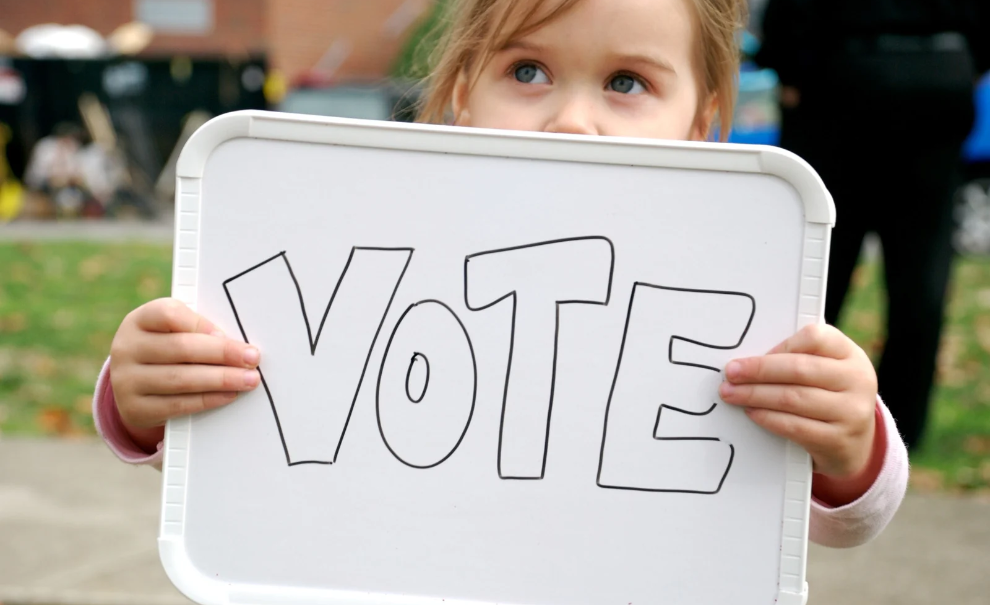
If you are a parent of school-aged children, chances are they are home from school today (and, consequently, you may be too). If you have the ability, this could be a great day to introduce kids to the subjects of civic responsibility and voting, or even to bring them along with you to the polls while you cast your own vote. Kids are never too young to begin learning about basic democratic concepts, and the library has quite a few resources – for all age groups – to reinforce these lessons!
Toddlers and preschoolers may not be ready to delve into the intricacies of the U.S. Constitution, or the branches of government, but that doesn’t mean it’s too early to lay the foundation. Practicing taking turns and listening to others help little one learn about equality and fairness, and offering simple polls (“should we watch Bluey or Peppa Pig?”) teaches them the concept of voting. You can even go a step further and check out a board book like “V is for Voting” by Kate Farrell or “I Voted” by Mark Shulman.
For grade-school kids, the “Why It Matters” series includes a number of books on civics, such as “Elections: Why They Matter to You” by John Son and “The U.S. Congress” by Melissa McDaniel. Not only do these books give an overview of the history of our nation and government, helping kids become more knowledgeable and informed, but they focus on how these subjects directly affect kids and how they can get involved, even if they aren’t yet old enough to vote! For this reason, I also really like “The Next President: The Unexpected Beginnings and Unwritten Future of America’s President” by Kate Mesner, which delves into the lives of past presidents when they were young, and emphasizes that they were once ordinary kids, just like the readers.
Of course, these are all lessons that adults can benefit from as well. A 2025 survey by the U.S. Chamber of Commerce Foundation found that 58% of respondents failed a basic civics test, despite 74% of them initially expressing confidence in their knowledge of the government. Turning out to vote is hugely important, but it’s equally important to be an informed voter! “The Handy Civics Answer Book: How to Be a Good Citizen” by David L. Hudson is a treasure trove of information, breaking down complex subjects into easy to digest explanations.
If you haven’t yet cast your vote, I hope you head out today and do so! You can find information on polling centers, candidates, and more at vote.ri.gov. Make your voice heard!